The Native American Tribes of the Grand Canyon: Honoring the First Stewards of the Canyon
Long before the Grand Canyon became a National Park or a global destination, it was — and still is — a deeply spiritual and ancestral homeland to many Native American tribes. These Indigenous communities have rich cultural traditions, histories, and deep-rooted connections to the canyon that stretch back thousands of years.
Today, 11 federally recognized tribes are formally affiliated with Grand Canyon National Park. Each tribe maintains a unique relationship with the canyon, shaped by generations of stories, ceremonies, migrations, and land stewardship.
The 11 Traditionally Affiliated Tribes of the Grand Canyon
1. Havasupai Tribe
Name meaning: “People of the blue-green waters.”
Homeland: Havasu Canyon (a side canyon of the Grand Canyon).
Known for: Waterfalls like Havasu Falls, Supai Village (still only accessible by foot, mule, or helicopter).
2. Hualapai Tribe
Name meaning: “People of the tall pines.”
Homeland: South rim and surrounding plateau lands.
Known for: Grand Canyon West and the Skywalk attraction.
3. Hopi Tribe
Homeland: Northeastern Arizona.
Canyon connection: Ceremonial and spiritual ties to the Grand Canyon and Salt Trail Canyon.
Notable traditions: Complex agricultural and religious practices; ancient cliff dwellings near the canyon.
4. Navajo Nation (Diné)
Homeland: Encompasses a vast region of the Colorado Plateau including parts near the eastern Grand Canyon.
Canyon role: Significant spiritual locations and historical use of trails and resources.
5. Kaibab Band of Paiute Indians
Homeland: Northern Arizona, including the Kaibab Plateau.
Traditions: Spiritual stories tied to water sources and plants unique to the region.
6. Las Vegas Paiute Tribe
Homeland: Southern Nevada.
Canyon connection: Traditional trade, seasonal migration, and spiritual landscapes extending into the canyon region.
7. Moapa Band of Paiute Indians
Homeland: Moapa Valley in southern Nevada.
Canyon ties: Migratory paths and shared cultural practices with neighboring Southern Paiute communities.
8. Paiute Indian Tribe of Utah
Includes: Five constituent bands.
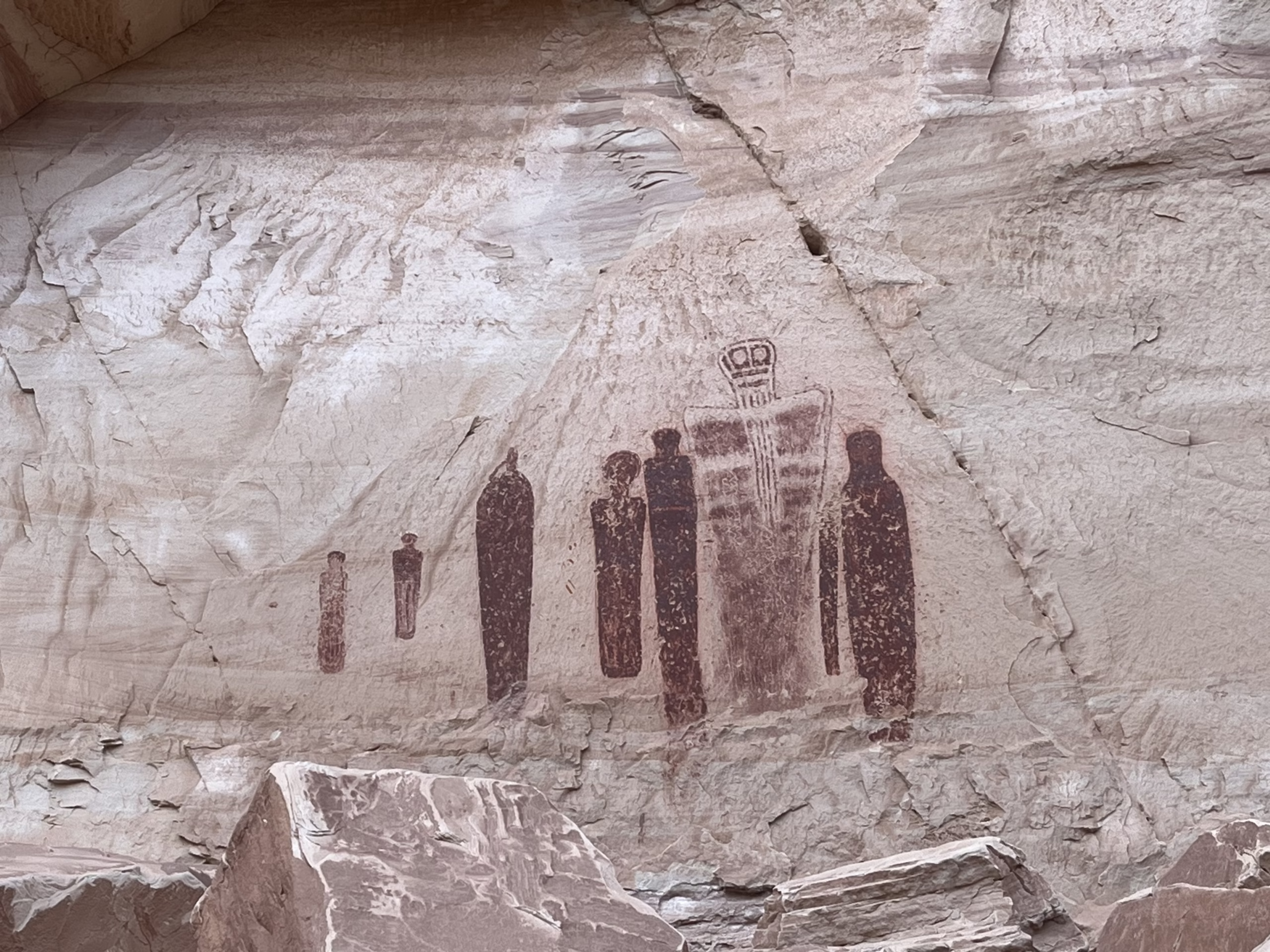
Cultural legacy: Rock art, traditional plant use, and ceremonial practices in the Grand Canyon region.
9. San Juan Southern Paiute Tribe
Location: Arizona-Utah borderlands.
Relationship to canyon: Shared oral histories and seasonal use of canyon resources.
10. Yavapai-Apache Nation
Homelands: Verde Valley and northern Arizona.
History: Deep knowledge of desert ecosystems and medicinal plants still found in the canyon today.
11. Zuni Tribe
Homeland: Western New Mexico.
Canyon significance: The Zuni consider the Grand Canyon a place of emergence in their origin story.
Respect and Reconnection
While Grand Canyon National Park has long been associated with tourism and exploration, it’s important to recognize that this land was — and remains — a place of prayer, identity, and ancestry for its original stewards. Many of these tribes continue to fight for greater access, representation, and protection of sacred sites within the canyon.
As hikers, guides, and guests, we have the responsibility to tread lightly, respectfully, and in full awareness of the cultural significance of this land.
Ways You Can Honor These Tribes on Your Visit
Learn about the tribal nations before visiting.
Support Native-owned businesses and artists.
Use traditional names when possible (e.g., “Dine’ ” instead of “Navajo”).
Practice Leave No Trace to protect the land for future generations.
✨ At The Desert Hiking Company
We’re committed to sharing not only the beauty of the Grand Canyon but also its rich Indigenous legacy. Our hikes often include discussion of tribal histories and cultural interpretations of the land — because every trail carries a story that came long before us.